General and Laparoscopic Surgeon, Tatisilwai, Ranchi
Dr. Alok Chandra PrakashKeyhole and laser surgery in Tatisilwai, Ranchi.
Dr. Alok Chandra Prakash, MBBS, MS (General Surgery), is a general and laparoscopic surgeon with 23+ years of experience. He consults at Swarnrekha Hospital, Tatisilwai, Ranchi, Monday to Saturday.
हिंदी में बात कर सकते हैंConsultations in English and Hindi
- MSGeneral and Laparoscopic Surgeon
- JSMCReg. No. 1501
- 23+ yearsOf Experience
- Mon to SatConsultations
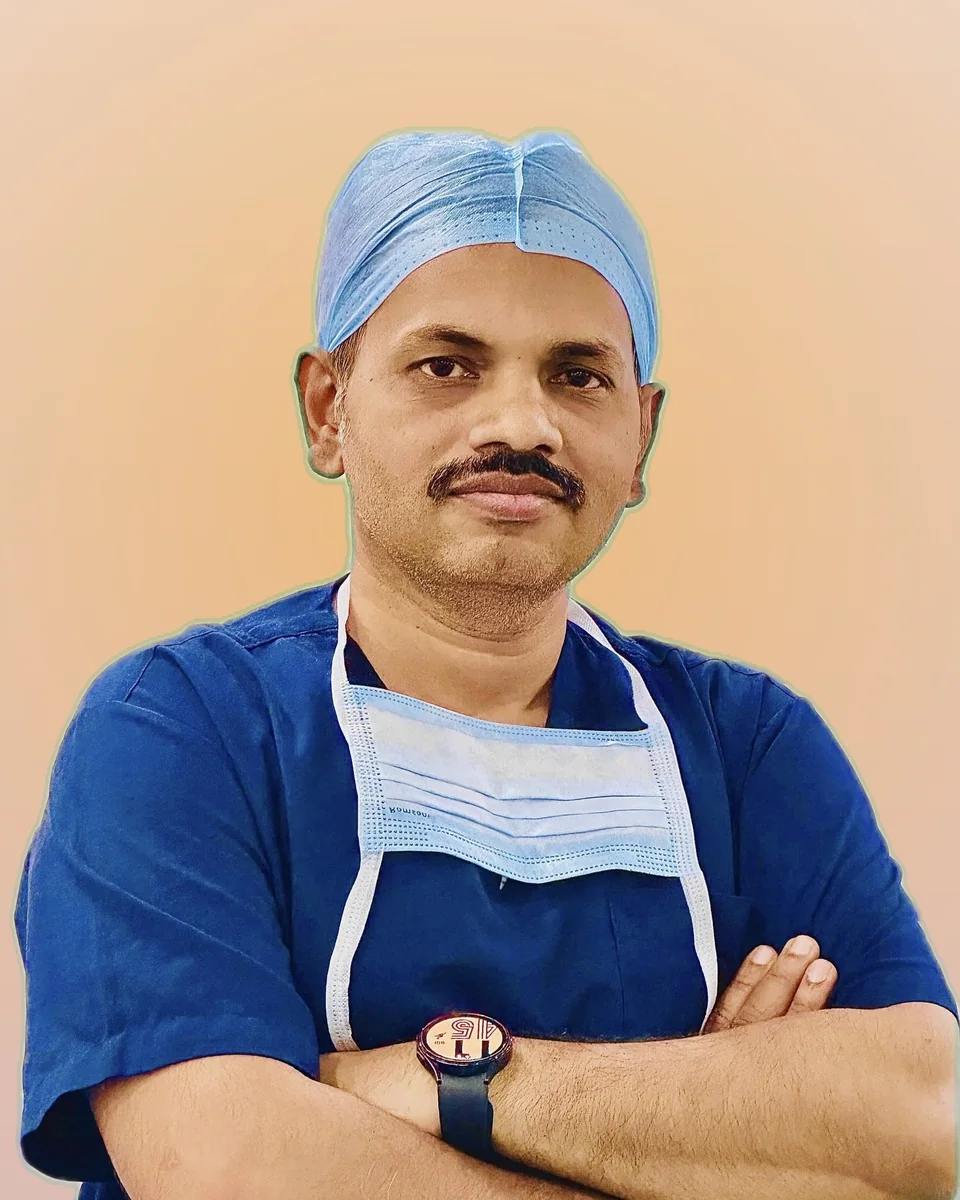
Your first visit
The word surgery can be worrying. The first visit is about finding out whether you need an operation at all, and if so, which one and when.
He listens first
Your symptoms, how long they have lasted, other illnesses and the medicines you take. A family member is welcome in the room.
Examination and tests
A careful examination, then your scans and blood tests. More tests are advised only when they will change the plan.
A clear plan
Whether surgery is needed, keyhole or open, the risks, the hospital stay, the cost estimate and how recovery will go.
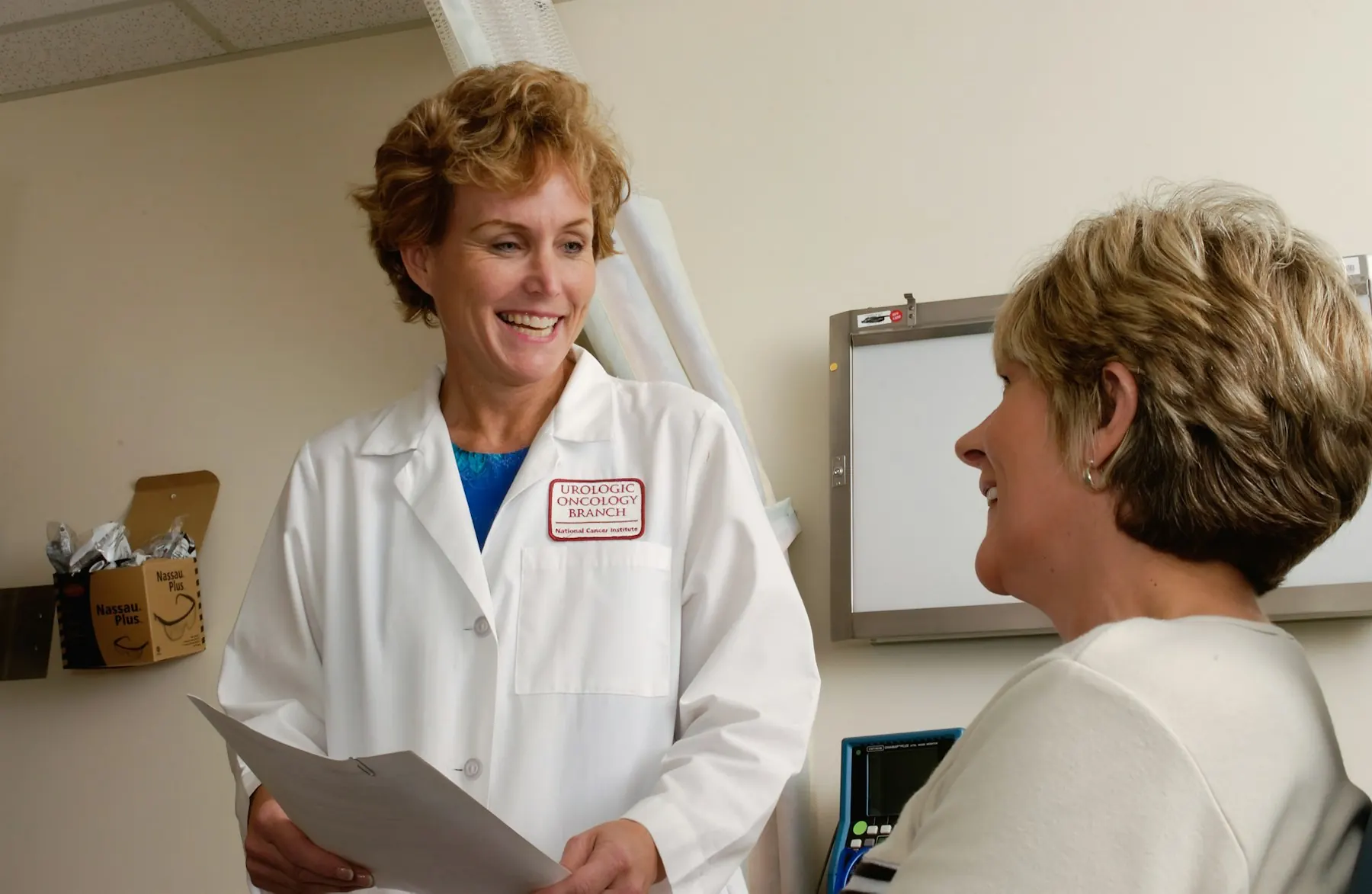 Representative photo
Every first visit starts with listening, and a family member is welcome in the room.
What to bring
Bring whatever you have. If something is missing, the doctor will tell you what is needed.
- Ultrasound, CT or other scan reports
- Previous prescriptions and discharge summaries
- A list of your medicines, especially blood thinners and diabetes tablets
- Blood test reports from the last three months
Your operation, step by step
Most of the worry before an operation comes from not knowing what happens when. This is the usual path for a planned operation.
- A week before
Tests and fitness
Blood tests, an ECG and a check by the anaesthetist. Tell the team about every medicine, especially blood thinners and diabetes medicines.
- The night before
Fasting
Usually nothing to eat for six hours before the operation, and clear water up to two hours before. The team gives you the exact times.
- On the day
In the hospital
Come with a family member, your reports and your medicine list. The surgeon marks the site and answers your last questions.
- After
Recovery
Walking soon after the operation, eating as advised, and a clear plan for the wound, the stitches and going back to work.
- About a week later
The first check
The wound is checked and the report of any tissue removed is explained.
A general guide. The surgeon tells you what applies to your operation.
General surgery
Conditions treated
Dr. Prakash treats gallstones, appendicitis, piles, fissures and fistulas (with laser), thyroid swellings and breast lumps, mostly by keyhole surgery. These are the most common reasons people come to see him.
Hernia
Bulges in the groin, at the belly button or over an old scar, repaired with mesh, often by keyhole surgery.
Gallbladder stones
Pain after meals and repeated attacks, treated by removing the gallbladder, usually by keyhole surgery.
Appendicitis
Sudden pain in the lower right belly, diagnosed quickly and operated on the same day when needed.
Piles, fissure and fistula
Bleeding, pain or swelling around the back passage, treated with medicines or a short procedure.
Lumps and bumps
Fatty lumps, cysts, abscesses and swellings under the skin, removed under local or general anaesthesia.
Breast and thyroid lumps
Lumps checked with scans and tests, and removed when they need to be.
Wounds and diabetic foot
Wounds that will not heal, ulcers and foot infections in people with diabetes, treated to save the limb.
This list covers the most common reasons for a visit. If your problem is not listed, send a request and ask.
Myths and facts
Things people often hear about surgery, and what is true.
MythKeyhole surgery is always better than open surgery.
FactKeyhole surgery means smaller cuts and a quicker recovery for many operations, but the right method depends on the problem and the patient. The surgeon explains why one is chosen.
MythA hernia can be cured with a belt.
FactA belt can hold a hernia in, but it does not repair it. Most hernias need an operation, planned before they cause trouble.
MythPiles always need an operation.
FactMany piles settle with fibre, water and medicines. An operation or a small procedure is for those that do not.
MythYou should rest in bed for weeks after an operation.
FactWalking early, often on the same day, helps recovery and prevents clots in the legs. The surgeon tells you what to avoid and for how long.
Training and experience
MBBS, MS (General Surgery), with 23+ years of experience.
MBBS
QualificationMedical degree.
MS (General Surgery)
QualificationPostgraduate degree in general surgery.
General and Laparoscopic Surgeon
Swarnrekha Hospital, Tatisilwai, RanchiConsults at Swarnrekha Hospital, Tatisilwai, Ranchi.
23+ years
In practice23+ years of caring for patients.
 Representative photo
Every operation is planned with the anaesthesia and nursing team.
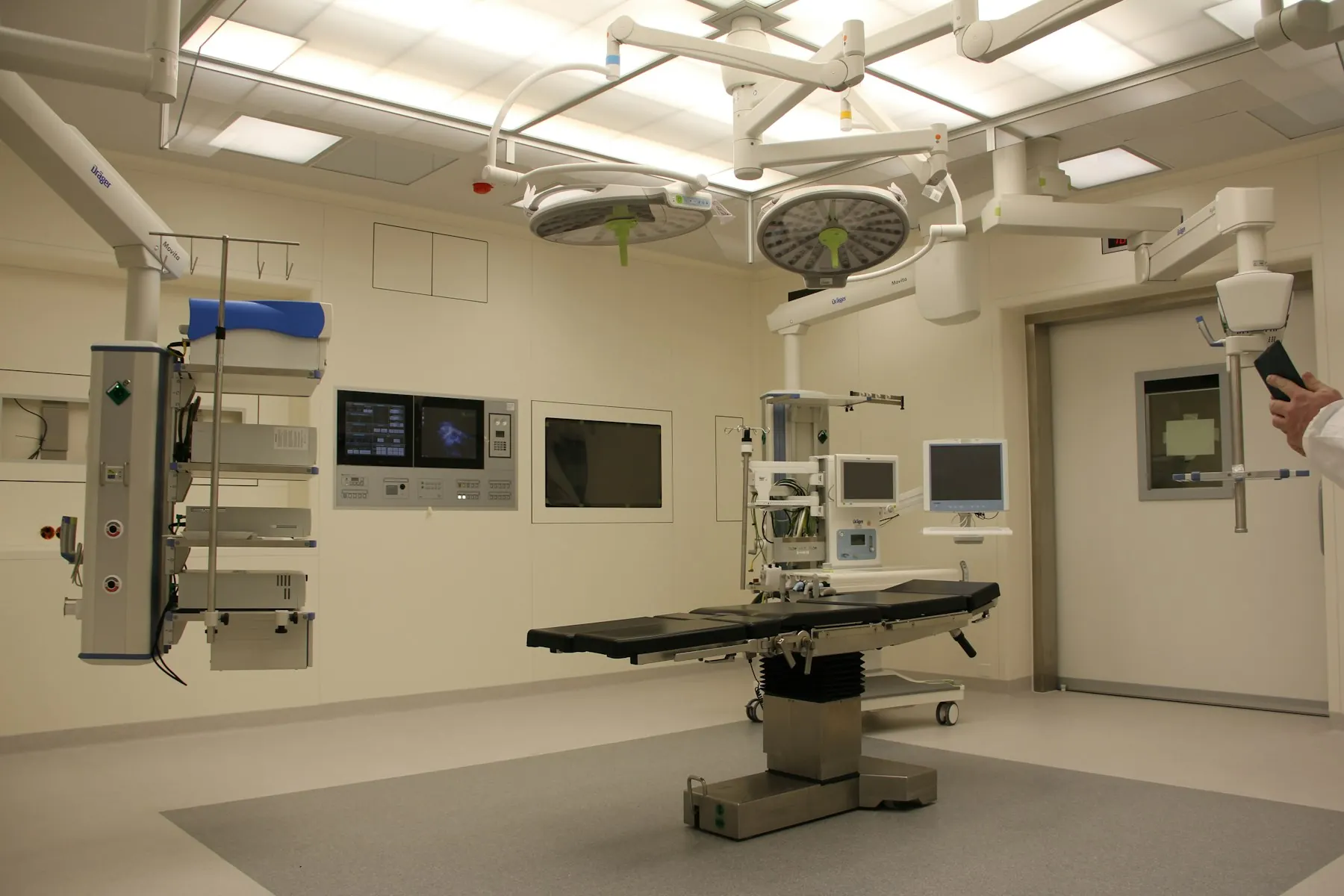 Representative photo
Keyhole surgery means smaller cuts, less pain and a quicker return home.
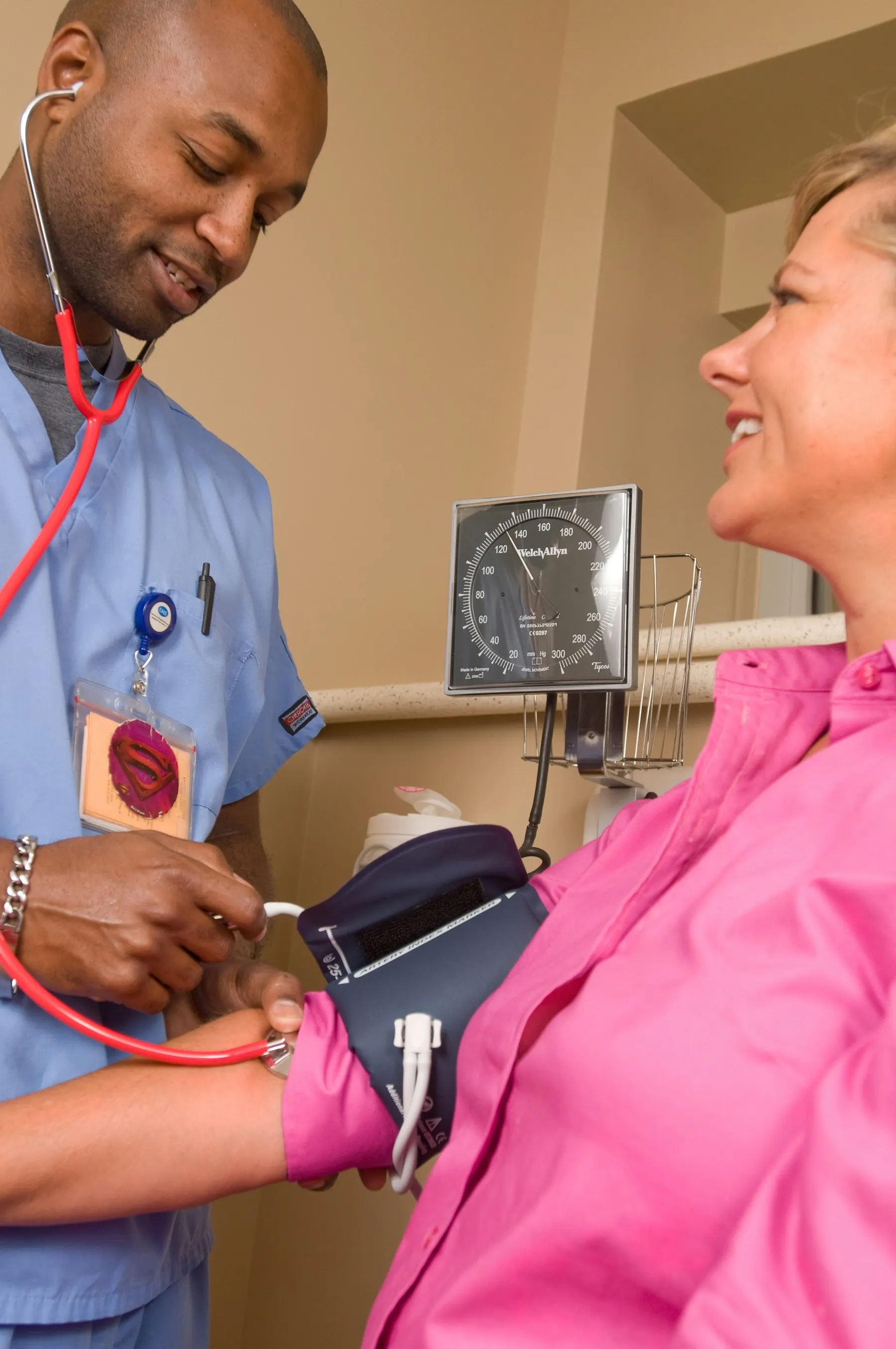 Representative photo
Recovery is planned before the day of the operation.
Where Dr. Prakash consults
Swarnrekha Hospital, Tatisilwai, Ranchi
Swarnrekha Hospital in Tatisilwai offers laparoscopic and general surgery, with gynaecology, orthopaedics, neurosurgery and ENT surgery. The hospital team confirms the time when you book.
- 23+Years of experience
- Mon to SatConsultation days
- 2Languages: English and Hindi
- Consultations by appointment, Monday to Saturday
- The clinic team calls back to confirm your time
- Bring earlier reports and scans to your visit
- Directions on Google Maps, one tap away
At Swarnrekha Hospital
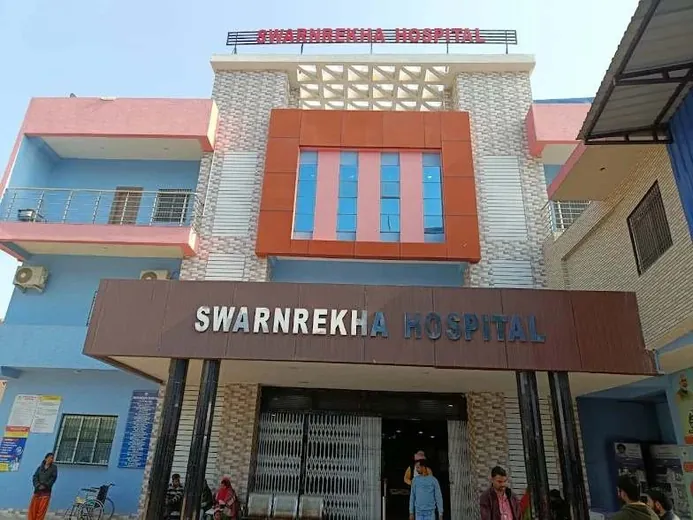
Swarnrekha Hospital, Tatisilwai
Watch and understand
Short talks on the questions patients ask most. The videos will be added as they are recorded.
 Video coming soon
Keyhole or open surgery: the difference
4 mins Video coming soon
Hernia: when should it be repaired?
3 mins- Video coming soon
Getting ready for an operation
4 mins
What patients say
Stories from patients and families, in their own words.
Good surgery starts before the operation.
Some medicines are stopped or adjusted before surgery, and others help you recover. The panel lists the medicine groups you may hear about.
- Tell the surgeon about every blood thinner and diabetes medicine you take.
- Do not eat or drink for the hours advised before surgery.
- Fever, spreading redness or pus from a wound, or severe belly pain after surgery needs a doctor the same day.
Questions to ask at your visit
Write down the answers, or bring someone who can.
Questions patients ask
At Swarnrekha Hospital, Opposite the petrol pump, near Cambridge School, Tatisilwai, Ranchi, Jharkhand 835103. Consultations run Monday to Saturday; send a request and the clinic team will confirm the time.
No. You can book directly. If another doctor has seen you, bring their notes and prescriptions.
Severe or worsening belly pain, pain with vomiting and fever, a hernia that becomes painful and cannot be pushed back, or vomiting blood. Go to the nearest emergency department at once.
Often, but not always. It depends on the problem, earlier operations and your health. The surgeon explains which approach suits you, and why.
Ultrasound, CT or other scan reports; Previous prescriptions and discharge summaries; A list of your medicines, especially blood thinners and diabetes tablets; Blood test reports from the last three months.
English and Hindi.
No. It is a general, AI-assisted summary to help you understand the terms you may hear. Only your doctor can prescribe.
Consult Dr. Prakash
Send a consultation request and the clinic team will call you to confirm the day and time.
- OPD
- Monday to Saturday. The clinic team confirms the time when you book.At Swarnrekha Hospital, Opposite the petrol pump, near Cambridge School, Tatisilwai, Ranchi, Jharkhand 835103
- Languages
- English, Hindi
Request a consultation
Share your details and the clinic team will call you back to confirm the day and time.
You will get a call on your mobile to confirm the day and time.